Traveling abroad can offer so much more than just the chance to see famous landmarks—it is an opportunity to gain a deeper understanding of both the world and your place in it. Here is how you can step outside your comfort zone and navigate a new city like a traveler, not a tourist.
What does it mean to be a traveler?
Being a tourist can be fun, but when you adopt the mindset of a traveler, you truly immerse yourself in the place you are exploring. You will build more meaningful connections and gain life-changing insights. Once you dive deeper into local life, you open the door to personal growth, self-discovery, and a much richer travel experience.
Here are 7 tips on how to step off the beaten track and make the most of your time abroad as a traveler.
1. Take the road less traveled
While it is tempting to tick off every famous landmark on a checklist, don’t restrict yourself to just those spots. Every city has hidden gems waiting to be discovered, often found off the beaten path in local neighborhoods far from the main tourist hubs.
Taking a more adventurous approach gives you a taste of a place’s true character. You will see how locals live, where they hang out, and discover the lesser-known spots tourists usually miss. The stories you bring home will be more unique and personal because you went beyond the standard itinerary.
Top tip: Instead of relying solely on Instagram-worthy city guides, ask locals for recommendations or simply master the art of wandering until you stumble upon something interesting. Aimlessly exploring without a fixed destination has inspired countless travelers.

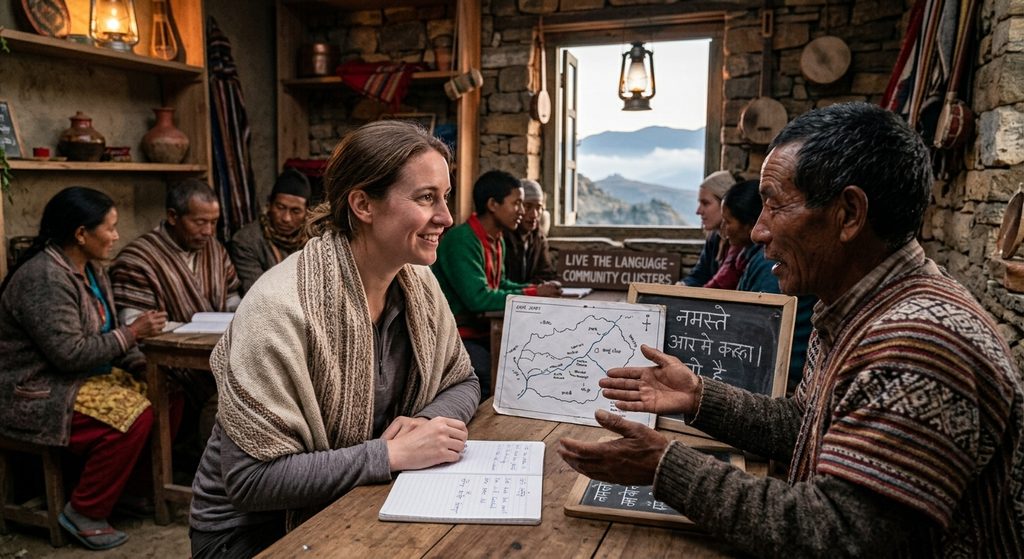
2. Live the language
One of the most impactful ways to experience a culture is by learning the local language. You don’t need to become fluent overnight, but learning a few basic phrases can make a huge difference to your journey.
Locals often appreciate it when visitors make an effort, no matter how limited their language skills may be. It shows respect for their way of life and opens doors to more authentic interactions.
Top tip: Greeting someone in their native tongue, ordering food at a local restaurant, or asking for directions demonstrates respect and helps break down barriers. Small steps in learning a language—whether saying “hello” or ordering a coffee—can deepen your experience in so many ways. Plus, it’s an essential part of understanding the nuances of the place you’re visiting, from regional expressions to cultural references.
3. Embrace local customs and traditions
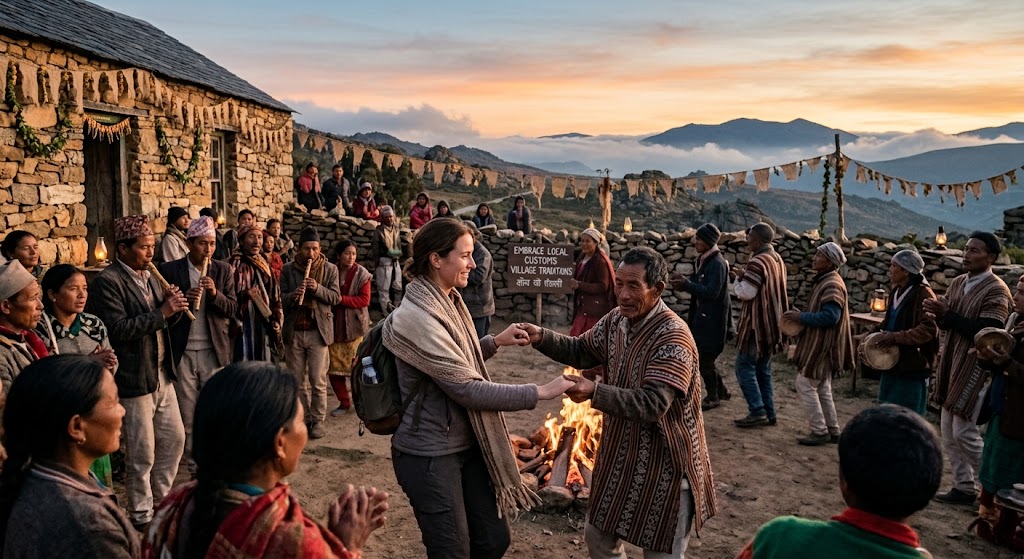
Every country has its own customs, traditions, and ways of doing things. Part of traveling is observing how locals behave and adapting to the norms of where you are. For instance, if you are in Japan, follow their etiquette of bowing when greeting people. If you are in Italy, take note of how meals are relaxed and rarely rushed.
Instead of standing out as a tourist, you will experience the destination in a more authentic and immersive way.
Top tip: Seek out and join in on local festivals, community events, or unique cultural traditions that you wouldn’t find on a typical tourist itinerary. Participating in these customs won’t just deepen your appreciation for the culture—it will also create incredible memories during your stay abroad.
4. Eat like a local
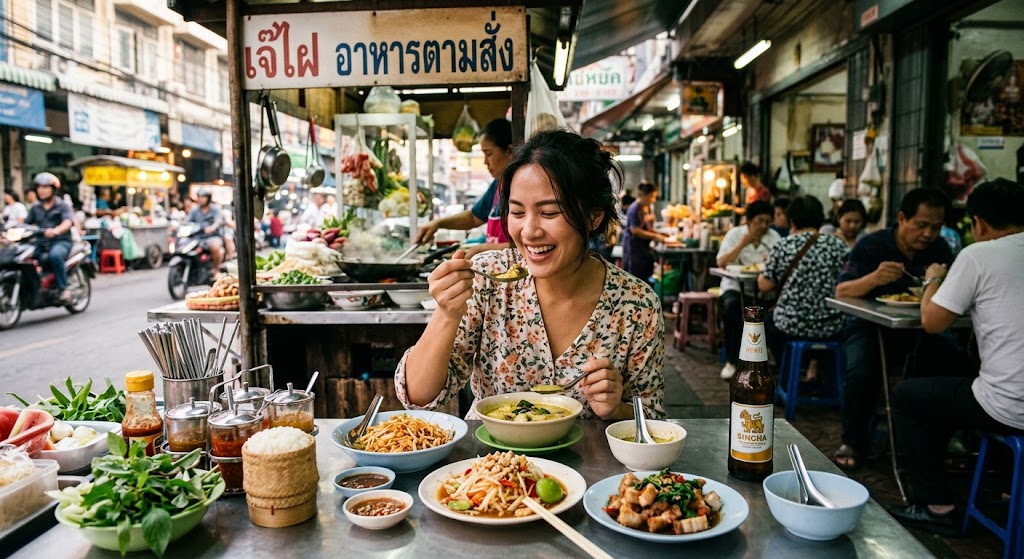
Food is a core part of any culture, and what better way to experience it than by eating where the locals eat? Don’t be afraid to try new spots you come across, or ask locals where they love to dine—preferably family-run restaurants.
Whether you are sampling street food in Bangkok or discovering a small trattoria in Rome, eating like a local gives you a true taste of the culture. Additionally, local dishes are often prepared using seasonal ingredients that reflect the region’s traditions, forging an even deeper connection to the place you are visiting.
Top tip: Instead of sticking to top-rated tourist spots or well-known chain restaurants, head to local neighborhoods where residents spend their time. These places might not be in every guidebook, but they often serve far more authentic and delicious food.
Want to learn a language abroad? Request a free EF brochure.
5. Get around like a local
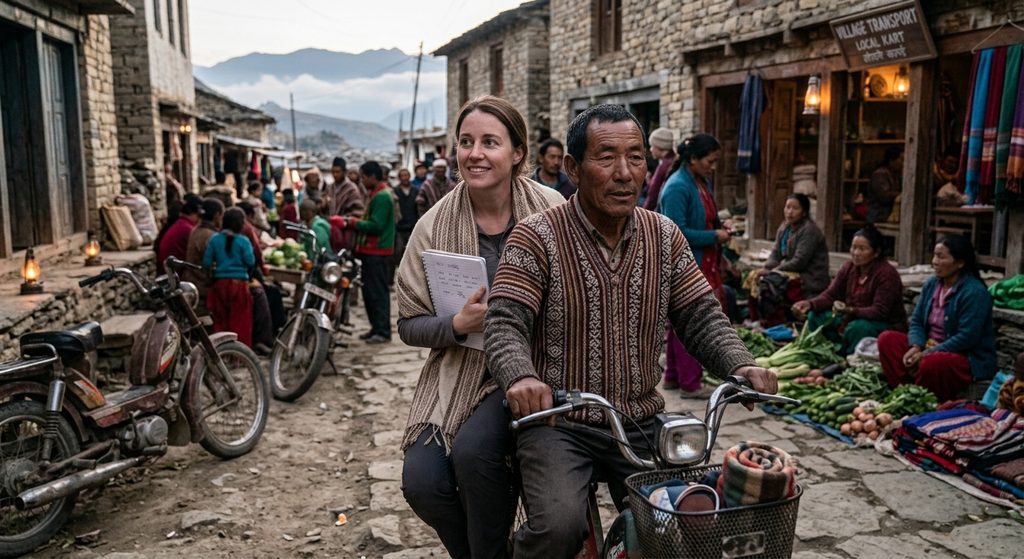
Transportation plays a huge role in how people experience a city. Navigating a destination the way its residents do offers a completely different perspective. You will feel more in tune with the daily rhythm, from the morning commute to the evening rush. Along the way, you’ll see parts of the city you might otherwise miss while gaining a genuine feel for the local lifestyle.
Top tip: Swap tourist buses and taxis for public transportation or rent a bike, depending on the city and local habits. If everyone in Copenhagen cycles, join them! If locals prefer walking in smaller European towns, lace up some comfortable shoes and walk along.
6. Connect with the community
One of the best ways to fully immerse yourself in a new culture is by making connections with local residents. This can happen in many ways—whether through a brief chat with a shopkeeper or making friends at a local café. These interactions offer something no guidebook can provide: genuine connection, community, and friendship.
Top tip: Take advantage of opportunities to socialize at community events, in cafés, or even through social networks. You might be surprised by how open people are to sharing their culture, and in return, you’ll gain a deeper understanding of what makes the place unique.
7. Travel with an open mind
Ultimately, the key to being a true traveler is keeping an open mind. Be curious, respectful, and embrace the differences every place has to offer. Travel isn’t just about sightseeing; it’s about learning, growing, and broadening your horizons. The more you approach new places with humility and openness, the more rewarding your experiences will be.
Top tip: Instead of focusing on a strict checklist of tourist attractions, focus on building a real connection with the culture and its people. By stepping off the beaten path and living like a local, you’ll create lasting memories that go far beyond a simple vacation.